
The Transportation Security Administration is preparing to expand its controversial facial recognition program to around 430 airports over the nextseveral years after findingextremely promising results from its pilot program, an agency spokesperson tells Fast Company. The expansion comes amid allegations by rights advocates that the agency is improperly coercing travellers to participate.
According to a TSA assessment of a pilot program thats now under way at 25 airports, the agency has determined that its facial matching algorithms are 97% effectiveacross demographics, including dark skin tones, says TSA press secretary Robert Langston, adding that the agency would not be publicly releasing the final results of the tests, which span two years of data.
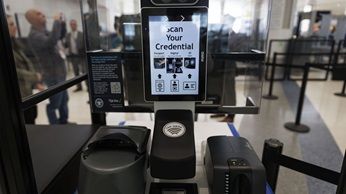
The pilot program is officially voluntary and uses whats known as 1:1 facial matching technology to verify that a traveller standing at a checkpoint matches the photo on their physical ID.The comparison is extremely accurate, Langston says.
TSA is also running a smaller pilot at two airports of whats called 1:n facial recognition, which matches a face from a government database of images. That pilot is currently limited totrusted travellers like those enrolled in TSA PreCheck, and allows participants to verify their identities without taking out a physical ID at all.
TSA doesnt retain the details of peoples faceswhats called biometric dataafter the comparison is made.Biometric data is overwritten as soon as the next passenger steps up to the queue, Langston says.And then when the technology is turned off at the end of the day, whatever storage system in there dumps completely. There is no saved image.
But Langston acknowledges that until this week, some of travellers biometric data was collected and sent to the Department of Homeland Securitys AI research wing todetermine the efficacy of the algorithms that were used. That data was sent as encrypted code, not as image files, he says.
The agency declined to elaborate on what vendors are providing its facial recognition technology. Federal procurement data shows TSA has awarded tens of millions of dollars over the last three years to a Virginia-based biometrics firm called Dignari for providing digital identity services. A spokesperson for Dignari acknowledged its relationship with TSA, but declined to comment further.
While TSA frames facial recognition as a way to make airports more efficient while improving security, technology ethics advocates say the agencys claims shouldnt be trustedand that the program needs to be shut down.
TSA doing its own testing and not releasing the results publicly calls into question the quality of the testing and veracity of the results, says Jeramie Scott, a senior counsel and director of the (Lola Gomez/The Dallas Morning News)s surveillance oversight program.Given there are over 2 million airline passengers a day, a 97% effective rate means there would be over 60,000 people a day the tech doesnt work on if fully implemented.
Regardless of the results though, TSA should not be implementing the use of facial recognition. TSAs claims of protecting privacy and the voluntariness of the program mean very little when the agency can change on a whim how the program is implemented.
 Twitter